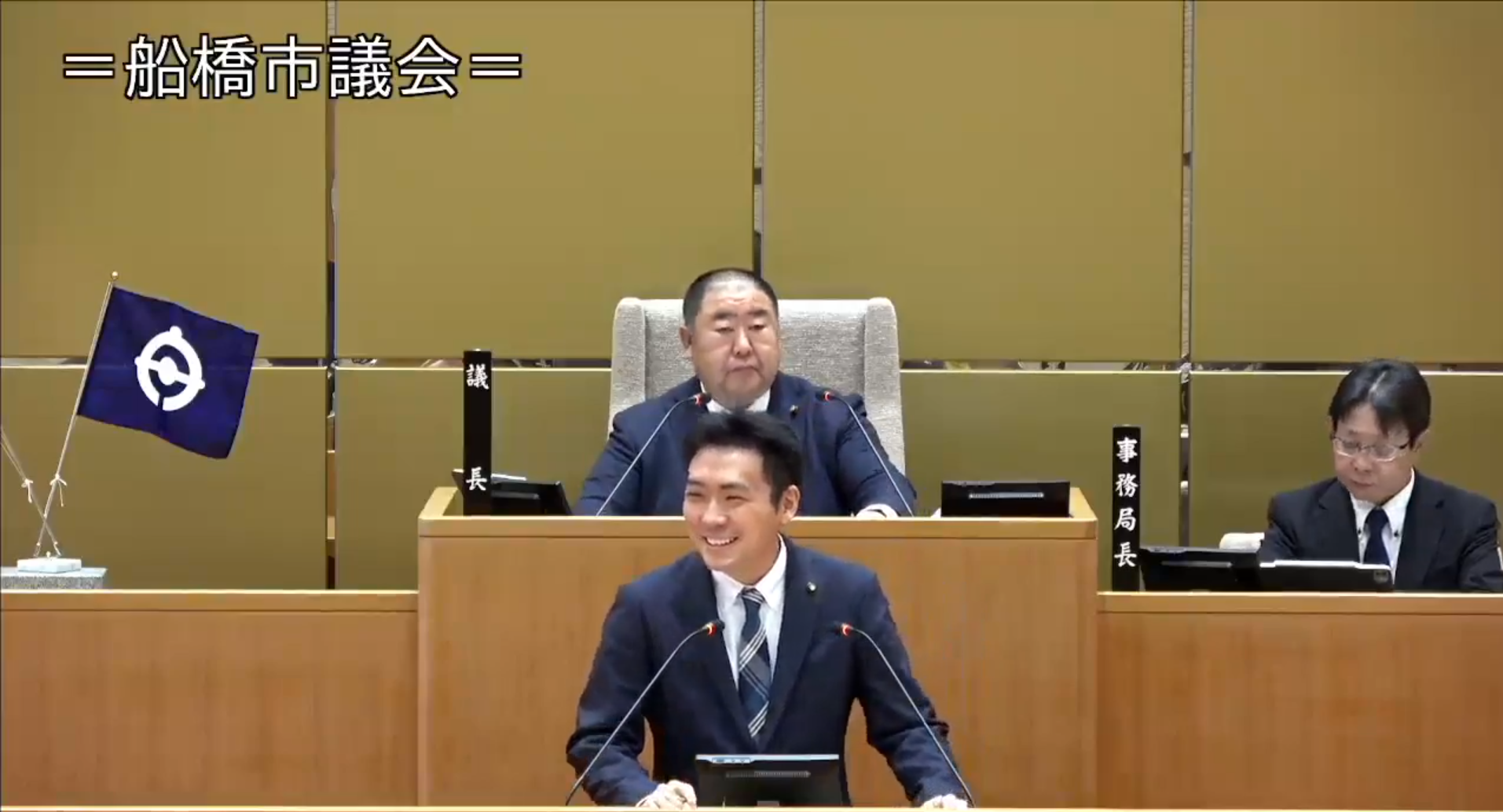
One of the most important roles of a city assembly member is to ask questions that help clarify how the city is changing and whether local policy is keeping up with that change. Recently, I used my time on the assembly floor to ask the city government about the growing number of foreign residents in our city and how officials are responding.
Foreign residents are becoming an increasingly visible part of the community. That is a reality shared by many cities in Japan today. When the population begins to change in noticeable ways, local government needs to understand what is driving the change and how it affects everyday life for both Japanese and non-Japanese residents.
My questions focused on four main areas. I asked about the reasons behind the increase in foreign residents, how the city understands the challenges they face in daily life, whether policy views them only as people needing support or also as members of the community, and what efforts are being made to build connections between residents.
Why the Population Is Increasing
My first question asked how the city analyzes the increase in foreign residents and whether officials expect the trend to continue.
City officials explained that several factors may be contributing to the increase. The city has convenient access to central Tokyo, which makes commuting to work or school relatively easy. There are also food related factories in the coastal industrial area that provide employment opportunities. In addition, several Japanese language schools operate in the city, which attract students from overseas.
The numbers show a clear change. As of February 1, 2026, the city recorded 26,498 foreign residents, the highest number in its history. This represents 4.06 percent of the total population. Five years earlier, on February 1, 2021, the city had 18,952 foreign residents, which accounted for 2.94 percent of the population.
There was a temporary decline during the COVID period, but since 2023 the number has been increasing again. Officials stated that they expect the upward trend to continue.
Understanding Daily Challenges
My second question addressed a basic issue. How does the city actually understand the difficulties foreign residents face in daily life?
Currently, the city gathers information mainly through the Foreign Resident General Consultation Desk located on the first floor of city hall. Staff members receive consultations in person, by telephone, and by email. By reviewing the topics of these consultations, the city tries to understand common problems people experience.
At the moment, the government is not conducting broader surveys or interviews with foreign residents. However, officials stated that a budget has been set aside for fiscal year 2026 to conduct a survey. The goal of that survey will be to better understand living conditions and collect opinions about administrative services. They said the results will help identify the actual challenges people are facing.
Seeing Residents as Part of the Community
My third question looked at a broader perspective. Current policies often focus on providing support for foreign residents in their daily lives. I asked whether the city is also thinking about them as participants in the community, not simply as recipients of assistance.
In a city where the foreign population continues to grow, it becomes important to create opportunities for people to take part in community activities. This can include neighborhood events, disaster preparedness drills, and other local programs.
City representatives responded that it is important for foreign residents to be able to participate in the community alongside Japanese residents. Officials explained that their first step will be to conduct the survey mentioned earlier in order to understand needs and circumstances more clearly. They also stated that departments across city hall will work together to make participation easier, including the use of easy Japanese in public communication.
Building Connections Between Residents
Finally, I asked about the programs run by the International Relations Section that aim to create connections within the community.
The city currently offers Japanese language classes both in person and online. These classes help foreign residents improve the language skills needed for daily life.
The city also organizes activities intended to bring people together. These include seminars, cooking classes, and an international festival where Japanese and foreign residents can interact.
Why These Questions Matter
Population change is not just about numbers. It affects neighborhoods, schools, workplaces, and the way people experience daily life in the city.
As the number of foreign residents continues to grow, it becomes increasingly important for local policy to focus not only on support but also on participation and connection within the community.
The purpose of my questions was simple. It was to better understand the current situation and to ensure that the city is thinking carefully about how our community will evolve in the years ahead.